Protecting Vision Through Early Detection

Glaucoma is one of the leading causes of preventable vision loss. The condition occurs when damage to the optic nerve, often related to increased pressure inside the eye, gradually affects visual function. One of the challenges with glaucoma is that it often develops without noticeable symptoms in its early stages. As a result, many people are unaware they have the condition until vision loss has already begun. At Richlin Eye, we provide comprehensive screening and glaucoma treatment in Los Angeles and Beverly Hills, using advanced diagnostic technology to detect changes as early as possible.

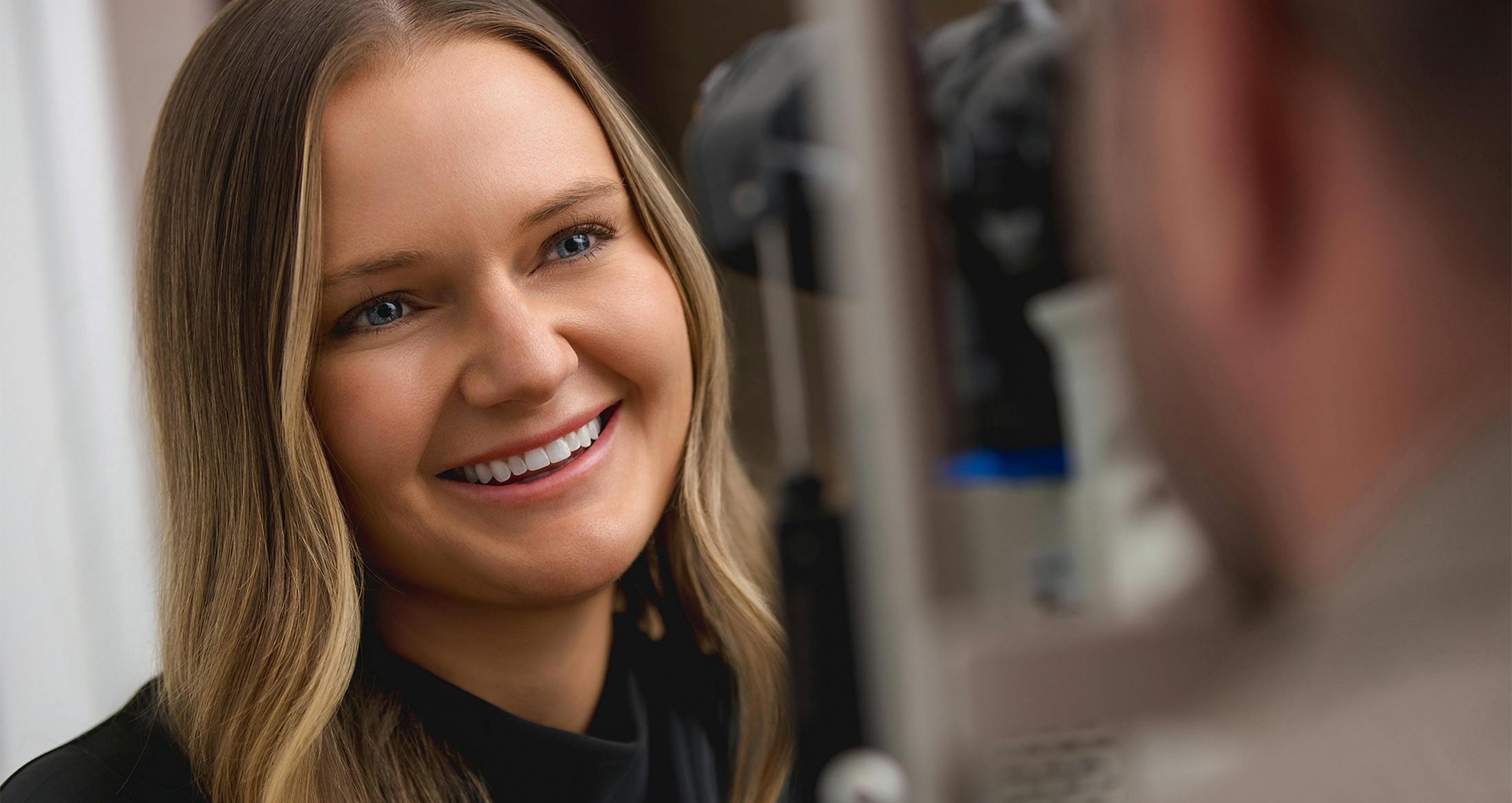
Woman smiling

What Is Glaucoma?

Glaucoma is a group of eye conditions that damage the optic nerve, the structure responsible for sending visual information from the eye to the brain. In many cases, this damage occurs when fluid inside the eye builds up, increasing pressure and placing stress on the optic nerve.

If untreated, glaucoma can gradually lead to permanent vision loss. Because early stages often produce no symptoms, routine eye exams play a critical role in identifying glaucoma before significant damage occurs.

The Benefits of Early Glaucoma Detection

Protection of the Optic Nerve

Early diagnosis allows treatment to begin before significant nerve damage occurs.

Prevention of Vision Loss

Monitoring and treatment can slow or prevent the progression of glaucoma.

Personalized Treatment Planning

Treatment can be adjusted over time to maintain healthy eye pressure.

Long-Term Vision Monitoring

Ongoing exams help track changes in vision and optic nerve health.

Advanced Diagnostic Imaging

Modern testing allows doctors to detect subtle structural changes in the eye.

Background media

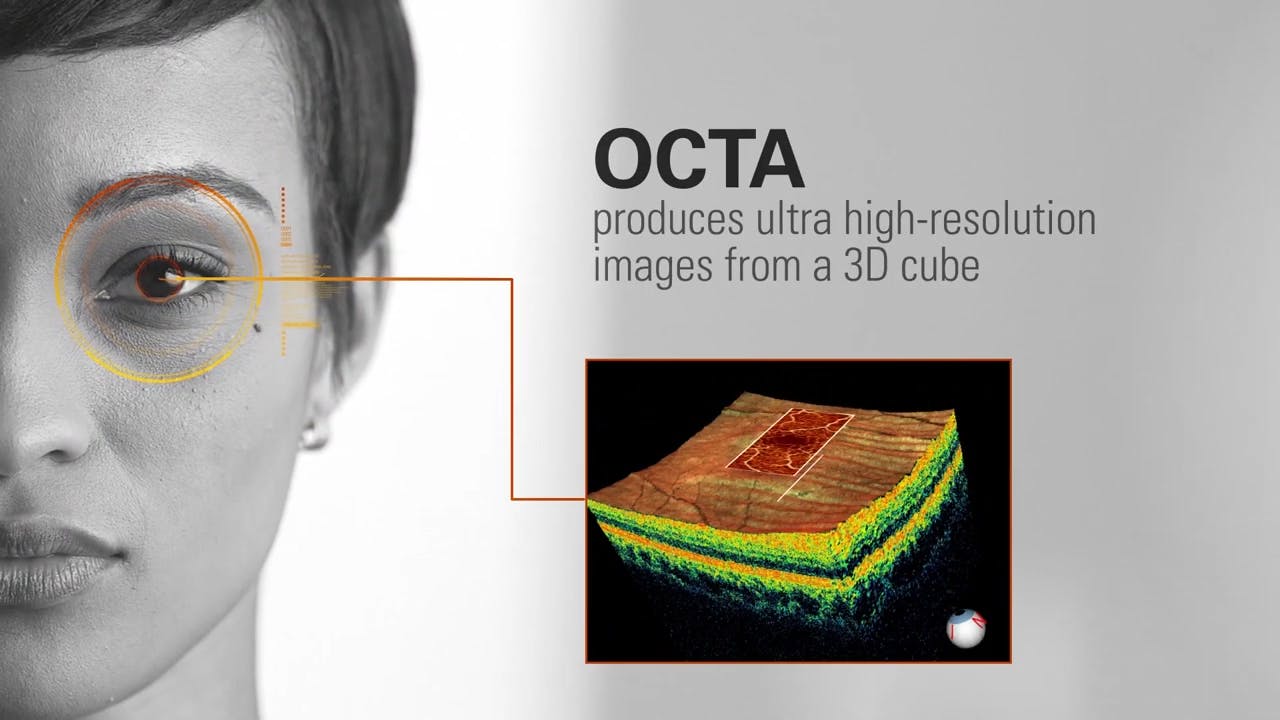
OCT Angiography (OCTA) by Optovue

Video thumbnail

Schedule A Consultation

Contact Us

Risk Factors for Glaucoma

Certain individuals may have a higher risk of developing glaucoma. Risk factors include:

  • Age over 40
  • Family history of glaucoma
  • Diabetes or other systemic health conditions
  • High blood pressure
  • Migraines
  • Elevated eye pressure

Even patients without noticeable symptoms can develop glaucoma, which is why regular comprehensive eye exams are essential.

Symptoms of Glaucoma

Glaucoma can develop in different forms, and symptoms vary depending on the type and stage of the condition. Sudden symptoms should be evaluated immediately to protect vision.

Open-Angle Glaucoma

This most common form often develops slowly and may not produce noticeable symptoms at first. Over time, it may cause a gradual loss of peripheral vision or blind spots.

Angle-Closure Glaucoma

A less common but more urgent condition can develop suddenly. It may cause symptoms such as eye pain, blurred vision, seeing halos or rainbow-colored rings around lights, redness in the eye, headaches, nausea, or vomiting.

Background media

How Glaucoma Is Diagnosed

Diagnosing glaucoma begins with a comprehensive eye examination. During your visit, our doctors evaluate several aspects of eye health to determine whether glaucoma may be present. Testing may include:

Eye Pressure Measurement

We measure intraocular pressure to determine whether pressure inside the eye is elevated.

Optic Nerve Evaluation

Advanced imaging technology allows us to examine the optic nerve for signs of damage.

Visual Field Testing

Peripheral vision testing helps detect early blind spots caused by glaucoma.

Corneal Thickness Measurement

Measuring corneal thickness helps interpret eye pressure readings more accurately.

Modern diagnostic imaging, including optical coherence tomography (OCT), provides detailed three-dimensional images of the retina and optic nerve, allowing early detection of structural changes.

Options for Glaucoma Treatment in Beverly Hills

While glaucoma cannot be cured, treatment can effectively slow or stop the progression of the disease. The primary goal of treatment is to reduce pressure inside the eye and protect the optic nerve. Treatment options may include:

  • Prescription glaucoma eye drops
  • Oral medications in certain cases
  • Laser procedures or surgical treatments, when necessary

Many patients successfully manage glaucoma with medication and regular monitoring. Our doctors work closely with each patient to develop a treatment plan based on their specific condition and risk factors.

Man smiling
Doctor media

Why Choose Richlin Eye?

Richlin Eye provides comprehensive glaucoma detection and management using advanced technology and personalized patient care.

  • A Family Legacy of Eye Care Since 1983: Richlin Eye has served generations of families throughout Los Angeles with trusted, relationship-focused eye care.
  • Advanced Diagnostic Technology: Modern imaging and visual field testing allow us to detect glaucoma early and monitor optic nerve health over time.
  • Comprehensive Eye Care in One Location: Our doctors diagnose, monitor, and manage glaucoma as part of a full spectrum of eye care services.
  • Trusted by Patients Across Los Angeles: Richlin Eye has earned the highest number of five-star Google reviews of any optometry practice in Los Angeles.

Schedule Your Eye Exam

Because glaucoma often develops without early symptoms, routine eye exams are the most effective way to detect the condition before vision loss occurs. Richlin Eye provides comprehensive screening and glaucoma treatment in Los Angeles and Beverly Hills. Regular eye exams allow our doctors to monitor eye pressure and protect long-term vision health.

Frequently Asked Questions Glaucoma Care

What causes glaucoma?

Glaucoma is typically caused by increased pressure inside the eye that damages the optic nerve, although some patients develop glaucoma even with normal eye pressure.

Can glaucoma cause blindness?

If left untreated, glaucoma can lead to permanent vision loss. Early detection and treatment help protect vision.

Does glaucoma have symptoms?

Many patients with early glaucoma experience no symptoms, which is why routine eye exams are important.

How is glaucoma treated?

Treatment usually begins with prescription eye drops to lower eye pressure, although some patients may require additional procedures.

Who is most at risk for glaucoma?

Risk increases with age, family history, certain health conditions, and elevated eye pressure.

How often should glaucoma be monitored?

Patients diagnosed with glaucoma typically require regular follow-up visits to monitor eye pressure and optic nerve health.

Stay Connected With Us

Contact us media
Accessibility: If you are vision-impaired or have some other impairment covered by the Americans with Disabilities Act or a similar law, and you wish to discuss potential accommodations related to using this website, please contact our Accessibility Manager at 310-276-5333.
Contact Us