Supporting Healthy Vision as Children Grow

Clear vision is essential for how children learn about the world around them. In fact, an estimated 80% of learning during early childhood is visual, making healthy eyesight an important foundation for academic success and development.

Many vision problems in children develop gradually and may go unnoticed because kids often assume their vision is normal. At Richlin Eye, we provide comprehensive pediatric eye exams in Los Angeles and Beverly Hills, helping ensure children have the visual tools they need to learn, grow, and thrive.

What Is a Pediatric Eye Exam?

A pediatric eye exam is a comprehensive evaluation of a child’s vision and eye health designed specifically for developing eyes. These exams assess visual clarity, eye alignment, focusing ability, and how well the eyes work together.

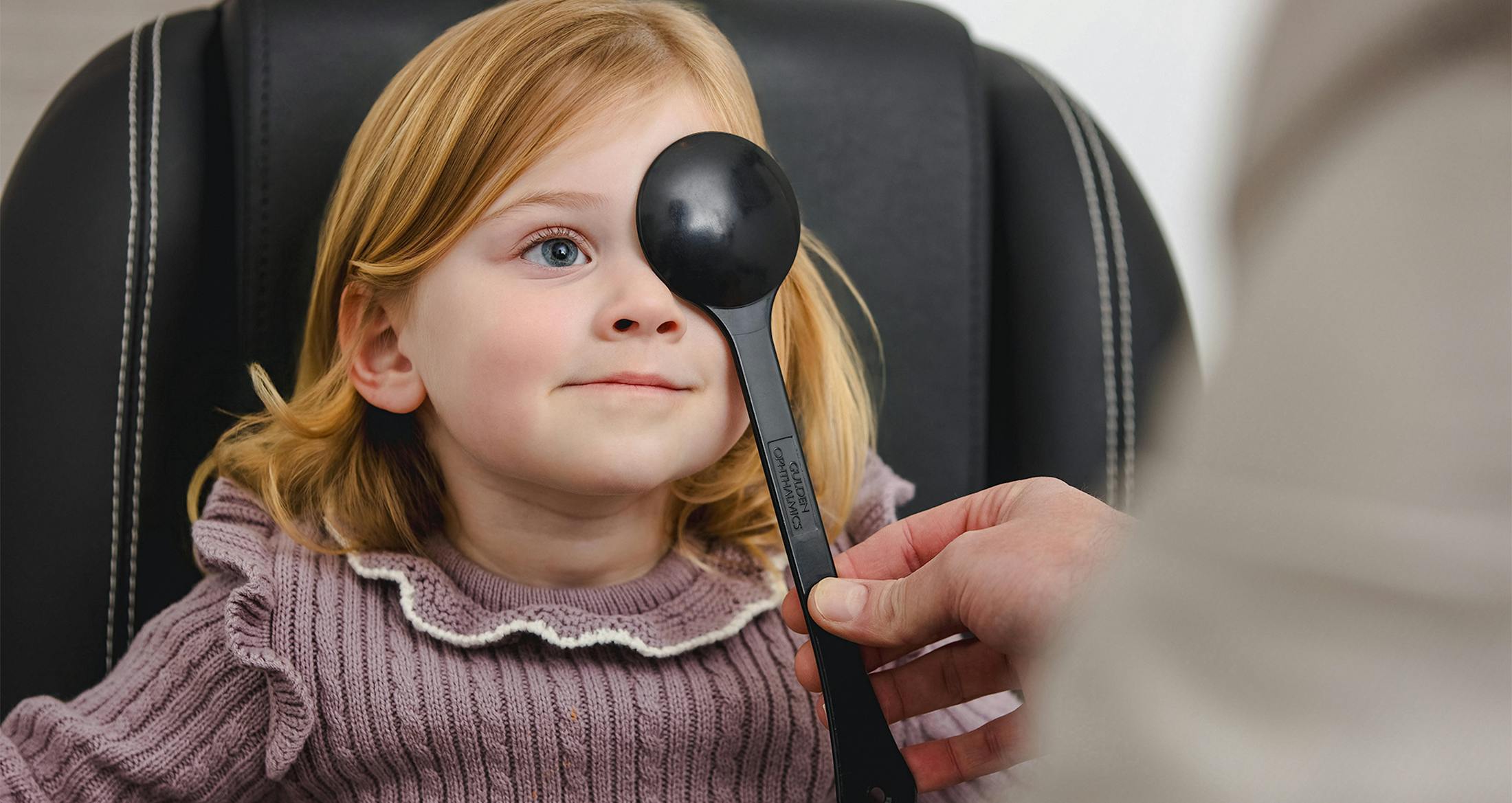
Even young children who do not yet know their letters can be evaluated using child-friendly testing methods such as shapes, pictures, and symbols. These techniques allow our doctors to accurately measure vision and detect potential concerns at an early age.

Routine pediatric eye exams allow doctors to identify issues such as nearsightedness, farsightedness, eye coordination problems, and other conditions that may affect learning and visual comfort.

The Benefits of Pediatric Eye Exams

Early Detection of Vision Problems

Eye exams allow doctors to identify vision issues before they affect learning or development.

Support for Academic Success

Clear vision helps children read comfortably, focus in the classroom, and participate in school activities.

Monitoring Visual Development

Regular exams allow doctors to track how a child’s vision and eye coordination develop over time.

Detection of Eye Health Concerns

Pediatric exams can identify conditions such as eye misalignment, focusing problems, or early eye disease.

Confidence in Daily Activities

Clear, comfortable vision supports sports, play, and other important childhood experiences.

Background media
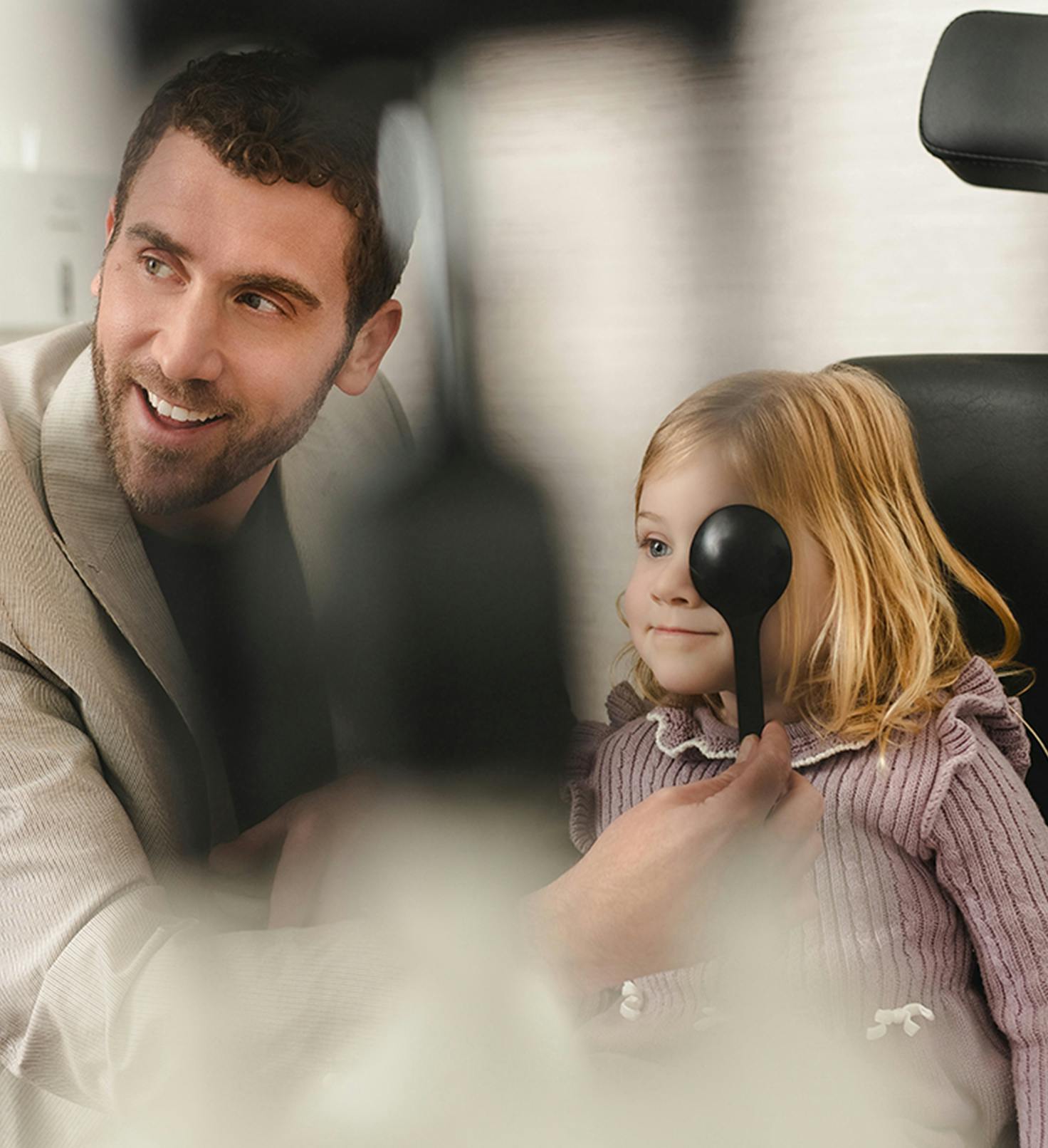
Doctor helping a child

Signs Your Child May Need an Eye Exam

Because children often adapt to vision problems without realizing it, parents may be the first to notice potential symptoms. Signs that may indicate a vision issue include:

  • Covering or closing one eye when looking at objects
  • Frequent eye rubbing or excessive blinking
  • Eyes that appear misaligned or do not move together
  • Difficulty concentrating during reading or homework
  • Complaints of headaches or eye strain

If you notice any of these symptoms, scheduling a comprehensive eye exam with our team of child eye doctor in Los Angeles can help determine whether vision is contributing to the problem.

Schedule A Consultation

Contact Us

When Should Children Have Their First Eye Exam?

Children should typically have their first comprehensive eye exam around age three, even if no vision concerns are present. Early exams allow doctors to identify potential problems before children begin school.

Infants can also receive early vision assessments through the InfantSEE® program, a public health initiative supported by the American Optometric Association. This program provides comprehensive infant eye assessments for babies between 6 and 12 months of age, helping detect potential concerns during early development.

What to Expect During Your Child’s Eye Exam

These exams are designed to be comfortable and engaging so children feel at ease during the visit.

Vision and Health History Review

We discuss your child’s development, symptoms, and any family history of eye conditions.

Child-Friendly Vision Testing

Using shapes, pictures, and symbols, we evaluate visual clarity even for children who cannot yet read.

Eye Coordination and Focusing Evaluation

Our doctors assess how well the eyes align, track movement, and focus on objects.

Eye Health Examination

We examine the structures of the eye to detect any early signs of eye conditions.

Results & Ongoing Vision Care

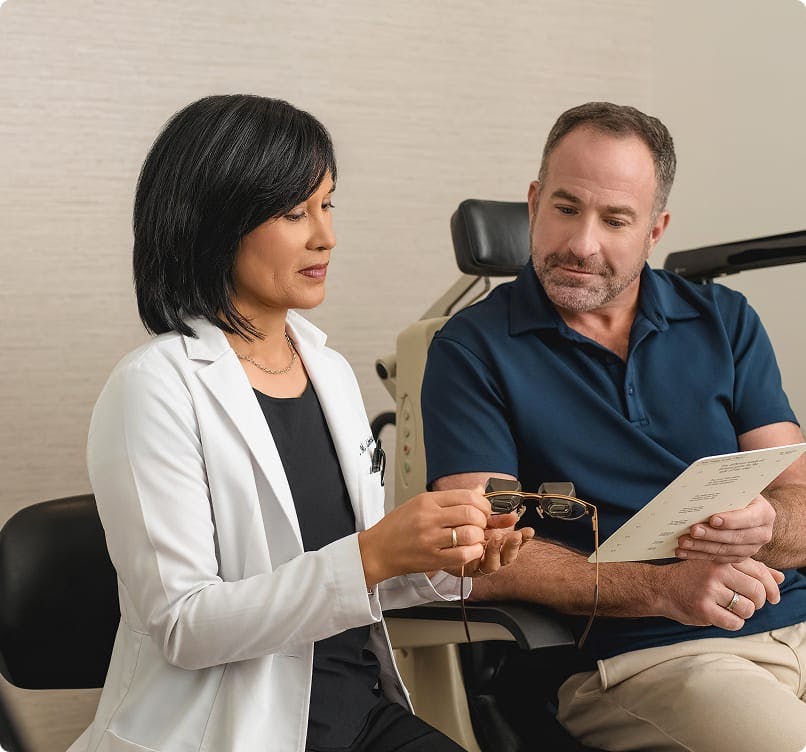
If a vision issue is identified during your child’s exam, our doctors will recommend appropriate treatment or monitoring. It may include glasses, vision therapy, or follow-up evaluations, depending on the child’s needs.

Many children benefit from routine eye exams throughout their school years, as vision can change quickly during periods of growth. Ongoing monitoring helps ensure that children maintain clear, comfortable vision as they develop.

a couch
Doctor media

Why Choose Richlin Eye?

Richlin Eye provides personalized, comprehensive eye care for patients of all ages, including infants and children.

  • A Family Legacy of Eye Care Since 1983: Richlin Eye has cared for generations of families throughout Los Angeles with trusted, relationship-focused vision care.
  • Pediatric Vision Care Expertise: Our doctors use age-appropriate techniques to evaluate children’s vision and detect early developmental concerns.
  • Advanced Diagnostic Technology: Modern testing allows us to evaluate eye health and visual function in patients of all ages.
  • Trusted by Families Across Los Angeles: Richlin Eye has earned the highest number of five-star Google reviews of any optometry practice in Los Angeles.

Schedule Your Child’s Eye Exam

Clear vision is an essential part of a child’s growth, learning, and confidence. At Richlin Eye, we have the very best pediatric optometrists in Los Angeles and Beverly Hills. Routine eye exams help ensure children have the visual tools they need to succeed in school and everyday life.

Contact Us

Frequently Asked Questions Pediatric Eye Exams

At what age should my child have their first eye exam?

Children should typically have their first comprehensive eye exam around age three, although earlier evaluation may be recommended if concerns arise.

How do eye doctors test vision in young children?

Doctors use child-friendly methods such as shapes, pictures, and symbols to evaluate vision in children who cannot yet read.

Why are pediatric eye exams important for learning?

Because much of early learning relies on visual skills, undetected vision problems can make reading and classroom tasks more difficult.

How often should children have eye exams?

Many children benefit from annual eye exams to monitor vision changes as they grow.

What happens if my child needs glasses?

If glasses are recommended, our doctors will explain the prescription and help ensure your child receives appropriate vision correction.

Can vision problems cause difficulty concentrating in school?

Yes. Some children experience focusing or eye coordination issues that may affect reading endurance and concentration.

What vision conditions can a pediatric eye exam detect?

A pediatric eye exam can identify a variety of vision and eye health concerns, including nearsightedness, farsightedness, eye coordination problems, focusing difficulties, and eye misalignment. Early detection allows for timely treatment and supports healthy visual development.

What are some signs that my child may have a vision problem?

Children with vision issues may frequently rub their eyes, blink excessively, cover one eye, experience headaches, struggle with reading, or have difficulty focusing on schoolwork. An eye exam can help determine whether vision is contributing to these symptoms.

What can parents expect during a pediatric eye exam?

A pediatric eye exam typically includes a review of the child’s medical and vision history, age-appropriate vision testing, an evaluation of eye coordination and focusing ability, and a thorough examination of overall eye health. The process is designed to be comfortable and engaging for children.

Why is ongoing vision monitoring important for children?

Children’s vision can change rapidly as they grow. Regular eye exams help monitor visual development, identify new concerns early, and ensure children maintain clear, comfortable vision that supports learning, sports, and everyday activities.

Stay Connected With Us

Contact us media
Accessibility: If you are vision-impaired or have some other impairment covered by the Americans with Disabilities Act or a similar law, and you wish to discuss potential accommodations related to using this website, please contact our Accessibility Manager at 310-276-5333.
Contact Us